

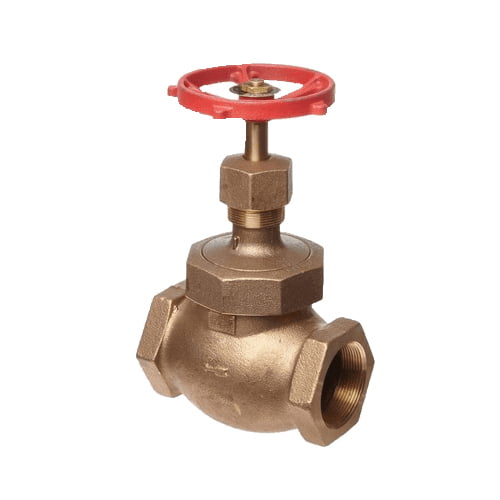


| Operator: | Hand wheel operated |
| Body (MOC): | Bronze (Gun Metal) |
| End Connection: | Screwed End / Flanged End |
Bonnet Wheel Valve
Previous product

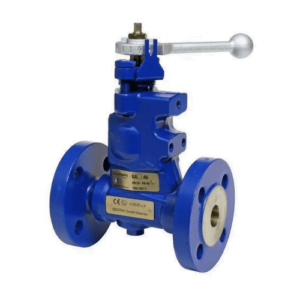
Blow Down Valve
₹11,307.00
Next product

Sight Glass Valve
₹1,638.00
₹175.00
In Stock
Bonnet Wheel Valve: The cover for the opening sin the body is the bonnet, and it is the second most important boundary of a pressure valve. Like valve bodies, bonnets are in many designs and models available. A bonnet acts as a cover on the valve body, is cast or forged of the same material as the body. It is commonly connected to the body by a threaded, bolted, or welded joint. During manufacture of the valve, the internal components, such as stem, disk etc., are put into the body and then the bonnet is attached to hold all parts together inside.
Specializations
Related Products
Piston Valve
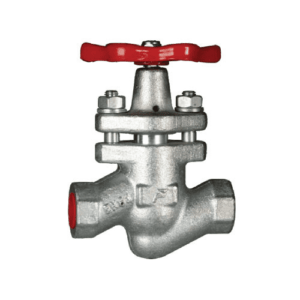
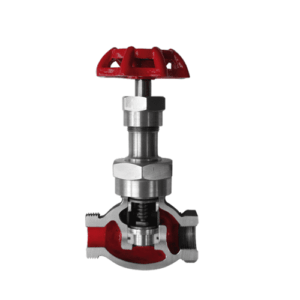
Piston Valve: A piston valve is a device used to control the motion of a fluid along a tube or pipe by means of the linear motion of a piston within a chamber or cylinder. Examples of piston valves are: The valves used in many brass instruments. The valves used in pneumatic cannons.


Blow Off Valve
Blow Off Valve: A blow-off valve (BOV), dump valve or compressor bypass valve (CBV), is a pressure release system present in most turbocharged engines. Its main purpose is to take the load off the turbocharger when the throttle is suddenly closed.
Sight Glass Valve
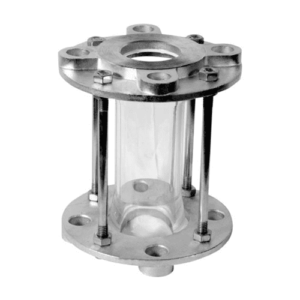
Sight Glass Valve: A sight glass is a transparent tube through which the operator of a tank or boiler can observe the level of liquid contained within. Simple sight glasses may be just a plastic or glass tube connected to the bottom of the tank at one end and the top of the tank at the other.
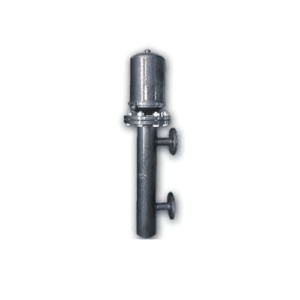
Mobrey Valve
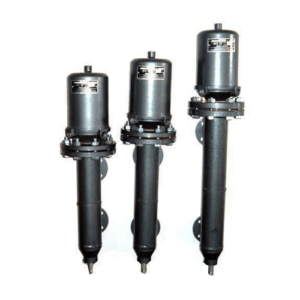
Mobrey Valve: Mobrey is the name used for the Automatic water level controller, it comes under the category of mountings and fittings of Steam Boiler Assembly. As the name suggests, it is used for maintaining the water level in the Boiler shell. It is mostly used in smoke tube steam boilers not in water tube boilers, as the shell diameter of the former is greater than that of latter irrespective of their running capacities and working pressures.


Fusible Plug: Essential Safety Component for Your System
Fusible Plug: A fusible plug operates as a safety valve when dangerous temperatures, rather than dangerous pressures, are reached in a closed vessel. In steam engines the fusible plug is screwed into the crown sheet (the top plate) of the firebox, typically extending about an inch (25mm) into the water space above it.
Globe Valve
Valve: Valves are for starting or stopping flow, regulating or throttling flow, preventing back flow or relieving and regulating pressure in fluid or gaseous handling applications. Common valve types include: Ball, Butterfly, Check, Diaphragm, Gate, Globe, Knife Gate, Parallel Slide, Pinch, Piston, Plug, Sluice, etc.,
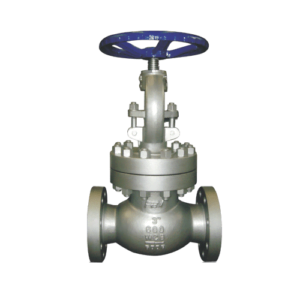
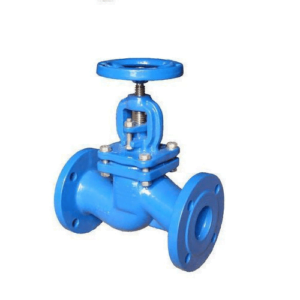
Globe valve: A globe valve is a linear motion valve used to stop, start, and regulate the fluid flow. The globe valve disk can be removed entirely from the flow path, or it can completely close the flow path. During opening and closing of globe valve, disc moves perpendicularly to the seat.

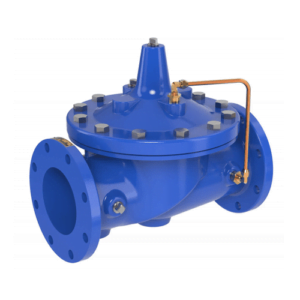
Check Valve: Reliable Backflow Prevention Solution
Valve: Valves are for starting or stopping flow, regulating or throttling flow, preventing back flow or relieving and regulating pressure in fluid or gaseous handling applications. Common valve types include: Ball, Butterfly, Check, Diaphragm, Gate, Globe, Knife Gate, Parallel Slide, Pinch, Piston, Plug, Sluice, etc.
Check Valve: A check valve, clack valve, non-return valve, reflux valve, retention valve or one-way valve is a valve that normally allows fluid to flow through it in only one direction. Check valves are two-port valves, meaning they have two openings in the body, one for fluid to enter and the other for fluid to leave.

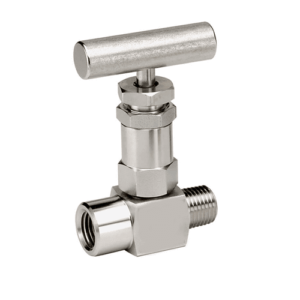
Needle Valve
Needle Valve: A needle valve is a type of valve with a small port and a threaded, needle-shaped plunger. It allows precise regulation of flow, although it is generally only capable of relatively low flow rates.


Fire Hydrant Landing Valve: Reliable Fire Safety Solution
A Fire Hydrant Landing Valve, also known as a landing valve, is a crucial component in firefighting water supply systems. It provides an accessible means for the fire service to tap into the municipal water supply during emergencies. These valves are typically mounted on risers within buildings or on external fire hydrants, featuring a connection point for fire hoses. They are designed to withstand high pressures and allow for rapid deployment and control of water flow to combat fires effectively, ensuring quick and efficient response in critical situations.
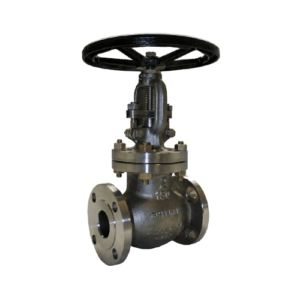

Gate Valve: Precise Control for Flow Regulation
Valve: Valves are for starting or stopping flow, regulating or throttling flow, preventing back flow or relieving and regulating pressure in fluid or gaseous handling applications. Common valve types include: Ball, Butterfly, Check, Diaphragm, Gate, Globe, Knife Gate, Parallel Slide, Pinch, Piston, Plug, Sluice, etc.
Gate Valve: A gate valve, also known as a sluice valve, is a valve that opens by lifting a barrier out of the path of the fluid. Gate valves require very little space along the pipe axis and hardly restrict the flow of fluid when the gate is fully opened. The gate faces can be parallel but are most commonly wedge-shaped.
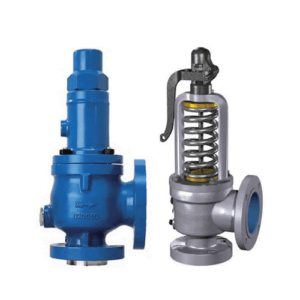

Pressure Relief Valve: Reliable Pressure Control Solution
Pressure Reducing Valve: A relief valve or pressure relief valve is a type of safety valve used to control or limit the pressure in a system; pressure might otherwise build up and create a process upset, instrument or equipment failure, or fire.
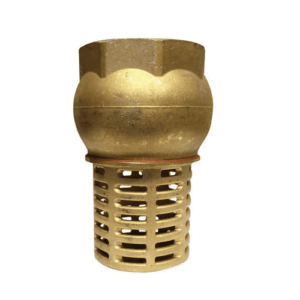
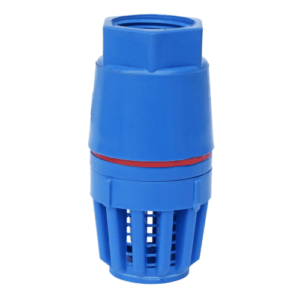
Foot Valve: Reliable Suction Control for Pumps
Valve: Valves are for starting or stopping flow, regulating or throttling flow, preventing back flow or relieving and regulating pressure in fluid or gaseous handling applications. Common valve types include: Ball, Butterfly, Check, Diaphragm, Gate, Globe, Knife Gate, Parallel Slide, Pinch, Piston, Plug, Sluice, etc.
Foot Valve: A foot valve is a type of check valve that is typically installed at a pump or at the bottom of a pipe line (hence the name). Foot valves act like ball check valves, but have an open end with a shield or screen over it to block debris from entering the line.
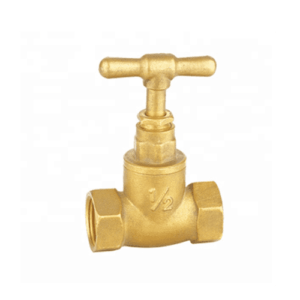
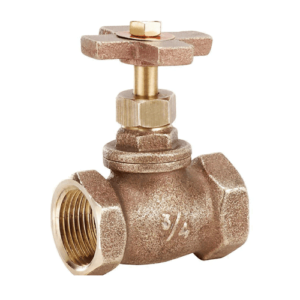
Stop Valve: Reliable Control for Your System
Stop Valve: Stop valve is any sort of valve type that completely stops the flow of liquid flow through a pipe. Stop valves is mainly used in plumbing or industrial applications to shut off the flow of (hot or cold) water to a plumbing fixture, such as an icemaker, toilet, faucet, dishwasher etc.


Diaphragm Valve: Accurate and Leak-Proof Flow Control
A diaphragm valve is designed to control the flow of a substance through an enclosed space by the flexing of a diaphragm. It is commonly used in applications requiring precise flow regulation and sealing capabilities, particularly where the purity and cleanliness of the flow medium are essential. The valve’s design prevents any fluid from being trapped in the valve itself, making it ideal for use in the pharmaceutical, food and beverage, and biotech industries. This type of valve is also appreciated for its ability to handle corrosive fluids and slurries with relative ease.
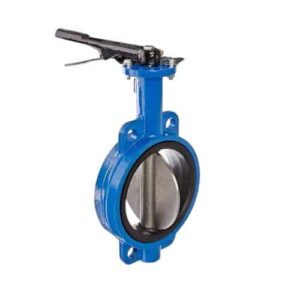

Butterfly Valve: Efficient Flow Control Solution
Butterfly valves are very similar to ball valves they also work on the phenomenon of quarter-turn rotational movement which means by moving 90 degrees it could be either turned on to fully operated or turned off to restrict the flow of fluid. This is used to transfer, regulate or stop the movement of a fluid. They are used widely in the industries such as food processing, water supply industries, water pumping, etc. they are used wherein there is a need for a broad range of flow isolation Is required. “They belong from the quarter-turn family” and they usually have large pipe diameter.


Steam Trap: Efficient Condensate Management Solution
Steam Trap: A steam trap is a device used to discharge condensates and non-condensable gases with a negligible consumption or loss of live steam. Most steam traps are nothing more than automatic valves. They open, close or modulate automatically.


Plug Valve: Durable Flow Control Solution
Plug Valve: Plug valves are valves with cylindrical or conically tapered “plugs” which can be rotated inside the valve body to control flow through the valve. The plugs in plug valves have one or more hollow passageways going sideways through the plug, so that fluid can flow through the plug when the valve is open.
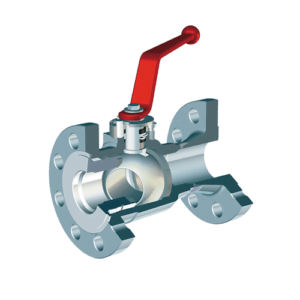
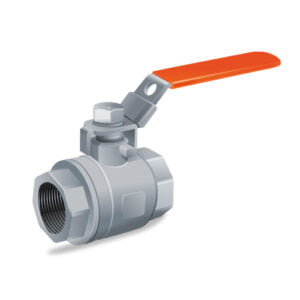
Ball Valve: Versatile and Reliable Flow Control Solution
A ball valve is a form of quarter-turn valve which uses a hollow, perforated, and pivoting ball to control flow through it. It is open when the ball’s hole is in line with the flow and closed when it is pivoted 90-degrees by the valve handle. Ball valves are durable, performing well after many cycles, and reliable, closing securely even after long periods of disuse. They are commonly used in applications ranging from residential to industrial for their robustness, ease of operation, and versatility in handling various fluids, gases, and slurries.


